

How to Extend Your Life by 10-20 Years

Dying young is an epidemic in the United States …
Fourteen steps to a longer, healthier life — and you’re probably already doing 3-5 of them.
This is an evidence-based test of your health and longevity. Do the basics consistently and get the results. Period.
Summary
Do these 13 things (plus one for women). Everything else is secondary.
Stop smoking
Reduce insulin resistance
Lose fat
Cut sugar and alcohol down to the bare minimum
Optimize hormones (start HRT as soon as you have symptoms of menopause)
Reduce and prevent heart disease
Get enough protein
Get enough fiber
Build muscle
Build grip strength
Build cardio endurance
Build bone
Get a few basic supplements
Get solid sleep every night
Score yourself
For each of the following areas, score yourself, add your points, and check your score at the end. Higher scores are better.
1. Smoking
10=never smoked
7 = only on holidays
5 = cigars or social smoker
3 = a few a day
1 = chain smoker since around age 30
0 = chain smoker since I was a teenager
Stop smoking now or die sooner, probably of heart disease or cancer. Your choice. Here’s how:
Number your cigarettes every morning with a pen before you smoke the first one. Put these cigarettes into a special container, so you can only get cigarettes to smoke out of that container. If you can’t number your cigarettes, you’re not ready to stop.
Smoke the same number every day without going over, so you establish your maximum. Do not exceed your maximum.
When you’re ready, reduce the number by one. Do not exceed that number of cigarettes each day.
Continue reducing this way, without allowing yourself to have more than the number you put into the container. Gradually keep committing to one fewer and then level out without breaking your promise.
You will probably hit a plateau and can’t reduce. At that point, you’re ready to try drugs:
Varenicline: Blocking the Nicotine High
Varenicline mimics nicotine by partially activating nicotinic receptors in the brain, reducing cravings and withdrawal symptoms like irritability and anxiety. It also blocks nicotine’s rewarding effects, so smoking feels less satisfying. This dual action makes it easier to resist cigarettes.
Varenicline is the most effective single medication for quitting smoking. Clinical trials show it triples quit rates compared to placebo, with up to 25–30% of users remaining smoke-free after six months when combined with counseling. A 2023 meta-analysis in Nicotine & Tobacco Research found varenicline outperforms NRT and bupropion in head-to-head studies.
Bupropion: Rewiring the Brain’s Response
Bupropion, an antidepressant, increases dopamine and norepinephrine levels, reducing cravings and withdrawal symptoms like depression and irritability. It’s particularly helpful for smokers with a history of depression or those concerned about weight gain, as it may suppress appetite.
Bupropion doubles quit rates compared to placebo, with about 15–20% of users smoke-free after six months, per CDC data. It’s slightly less effective than varenicline but a strong option for those who can’t tolerate varenicline or prefer a non-nicotine-based approach.
Begin your exercise program, so you substitute drugs and exercise, rather than food, for cigarettes. Don’t allow yourself to gain weight while on the drugs.
After you quit, go to the dentist and get your teeth cleaned.
However you do it, quitting smoking is the #1 thing you can do to improve your health.
2.Insulin sensitivity
10 = fully insulin sensitive
7 = 10 pounds of belly fat
5 = 20 pounds of belly fat
2 = injecting insulin
0 = morbid obesity plus injecting insulin
If you're even a little overweight, you should read Why We Get Sick, by Ben Bikman. You should know whether you are insulin resistant, which you can only measure using an oral glucose tolerance test. Your A1c number tells me about your diet, but I’m going to want an OGCC if you have more than a few extra pounds of belly fat. A1c measures how many glucose molecules are stuck to hemoglobin, which doesn’t tell me as much as the amount of belly fat does. Insulin resistance is more likely to kill you than heart disease is.
The oral glucose tolerance test is cheap and is the gold standard for measuring insulin resistance.
If you are insulin sensitive, you can eat more carbs, and you should if you’re a serious athlete. If you’re training 3-5 days a week and racing on weekends, do whatever works for you.
But if you are insulin resistant to any degree, you need to reduce carb intake. Two very similar looking people, or husband and wife, will have completely different metabolic reactions to the same diet, so one diet does not work for everyone. If you’re overweight by at least 30 pounds, you should probably be on a ketogenic diet and stay in ketosis until your metabolism changes to normal levels.
Be aware of starches that are high in amylopectin. I have a separate article on amylopectin and gluten.
You should always be aware of your degree of insulin resistance, because the “skinny fat” condition — where you look healthy but have visceral fat around your organs — is a killer. Get an OGTT as often as necessary.
3. Fat
10 = 10-12 percent body fat men, 20 percent women
8 = Good shape, exercise 5 x per week
6 = Decent shape, exercise a few times a week
4 = I like to walk (but I’m 30+ pounds overweight)
3 = I walk from the car to McDonald’s
0 = morbid obesity
When you gain weight, you create new fat cells. When you lose weight, you do NOT lose fat cells. Any fat cells you make will be with you forever. If you lose fat, those cells will want the fat back. This is true for all mammals. It helps bears fatten up in autumn but is hard on humans. Fat cells are like balloons that are ready to fill up quickly but empty out slowly. Help your kids by not letting them get fat in the first place. If you are ten pounds overweight, it is not okay. It should be a red flag that things are going in the wrong direction.
Basic principles: reduce your insulin resistance first, possibly using a ketogenic diet. Seriously overweight people may need to stay on a keto diet for several years before they can safely get off, or they may prefer to stay in ketosis, which is fine. Once you are insulin sensitive, you have a choice. You can get out of ketosis, reduce calories, and increase exercise. Or you can stay in ketosis and increase exercise. But you can’t spot-reduce, and you can’t lose fat and gain muscle at the same time. Keeping fat off is hard, and most people don't succeed. If you built up 30 extra pounds over 30 years, it's not going to magically melt away in 6 months and never come back. Losing weight is about 30 percent of the job; keeping it off is 70 percent. Diet and exercise are tools - use them intelligently. If you are constantly losing and gaining fat, get outside help.


4. Sugar and Alcohol
10 = Sugar/drink one day a year
8 = I really watch my sugar intake and never drink (or - competitive distance runner/triathlete using sugar as fuel)
5 = I try not to get that much sugar and only drink 1-2 per week
3 = Brownies are my weakness, a beer or glass of wine a day is fine for me
0 = I can get insulin fairly cheaply, I don’t mind self-injecting
Cut sugar and alcohol out of your diet. No juice. No smoothies. No sugar in your coffee. Don’t drink any calories other than protein shakes.
Learn about sugar alternatives like monk-fruit extract and others, you can generally have as much of those as you like, so you can still enjoy sweet foods.
5. Hormone replacement therapy
10 = HRT since perimenopause
8 = Better late than never, but I’m now on the program
5 = I’m on estrogen but haven’t looked into progesterone or testosterone
3 = I trust my endocrinologist
1 = That stuff is bad for you and causes cancer
Shocking but true: fewer than 5 percent of women over 50 in the US are on hormone replacement therapy, and that number is DOWN from ten years ago. HRT is so beneficial to so many women, I recommend all my clients get a good doctor and talk about going on HRT. Here's a video conversation with my client Kathleen on this topic. If you’ve heard it has bad side effects or encourages cancer, you heard wrong. For a deep dive into this territory, listen to Peter Attia talk with Rachel Rubin about HRT.
For men, it's more complicated. Taking testosterone has benefits, but the body compensates, so the benefits can reverse and cause problems later (it also completely shuts down your body’s natural ability to make testosterone). There are a lot of second-rate men’s hormone shops, both online and in person. In general, only get TRT if you are deficient, not if you’re not feeling manly enough.
Of course, there are reasons not to, or you could try it for six months and decide you’re better off without it. But because of the benefits in building bone and muscle, I believe women over 50 should have a good reason not to at least try HRT, while men should have a good reason to start TRT. If you need a good doctor for this, ask me in our discovery call.
6. Heart disease
10 = My ApoB is under 50
8 = ApoB under 80
5 = ApoB under 110
3 = ApoB under 140 (probably LP(a))
1 = ApoB over 140
The amount of LDL cholesterol and other atherogenic lipoproteins in your body are strongly linked with heart attacks and stroke. We measure these particles using a score called ApoB, which you need to ask for, it isn’t often in a standard blood panel. Atherogenic particles cause arterial blockage, and we know that soft plaque is far more dangerous than hard plaque. You can undo it by reducing insulin resistance and hard exercise. I advise all my clients to get a good cardiologist and take his/her advice. If you are looking for one, I have a fantastic one who works with patients online. Hard exercise — really hard — is looking more and more like magic medicine. Pretty much everyone over 40 should be taking fish oil — see the the stack page for details.
Eating foods that contain cholesterol is not a problem for anyone except the roughly ten percent of the population who are cholesterol hyperabsorbers. If your ApoB is high, ask to get tested for this trait. Most people can eat all the eggs they want.
Eating foods with saturated fat is generally considered fine in moderation. I have a blog post on saturated fat and heart disease that should confuse you even more.
Some people have a gene called LP(a). This will never change — either you have it or you don’t. These people should talk with their cardiologist about taking a PCSK9 inhibitor like Rapatha. If you have LP(a) and your doctor hasn’t mentioned Rapatha, you need a different doctor. This is separate from statins.
I think most, but not all, people will benefit from taking statins. Few people have side effects (if you do, stop taking them or switch the kind of statin). And the lowest dose is generally best. If you're on 20 mg, ask your doctor about going to 10. If you're on 40, ask about going to 20. If you don't like the idea, try red rice yeast, it's pretty much the same.
7. Protein
10 = 0.8 to 1 gram/pound/day
6 = 0.6 gram/pound/day
4 = I try, but it’s hard
1 = vegan or low-protein diet
The older we get, the more protein we need. You should be trying to get 1 gram of protein for every pound of lean-mass bodyweight daily. It's not easy. Aim for about 25 percent your daily protein four times per day, depending on your body weight. I’m a believer in protein shakes that aren’t too sweet. They give you a quick 30 grams of protein. I prefer Rockin’ Protein Builder from Shamrock Farms, which has whey protein. Or get protein powder and make your own. As long as you’re getting enough protein every day, you don’t need to have a protein drink immediately after working out — within six hours is fine.
I don't have time to go into all of it, but you'll find a lot more on the site on this topic, especially the videos.
8. Fiber
5 = 5 small servings per day (max score here is 5)
3 = 3 small servings per day
1 = 0 servings
More and more studies are showing that fiber helps prevent heart disease and all-cause mortality. It also helps prevent cancer, kidney disease, and other conditions. You can’t get enough fiber unless it’s reducing your protein intake. Generally, more fiber is better.
9. Muscle
10 = 6-8 hours of hard workouts per week
8 = 4 hours hard workouts per week
5 = 4 hours medium-hard workouts per week
3 = 3 pretend workouts per week
1 = sitting in the machines playing on your phone
I’m a big fan of Peter Attia’s. He emphasizes building muscle. You can build muscle at any age, but the best time to build more muscle is right now, not later. Muscle is remarkably protective and helps prevent all kinds of injuries as you get older.
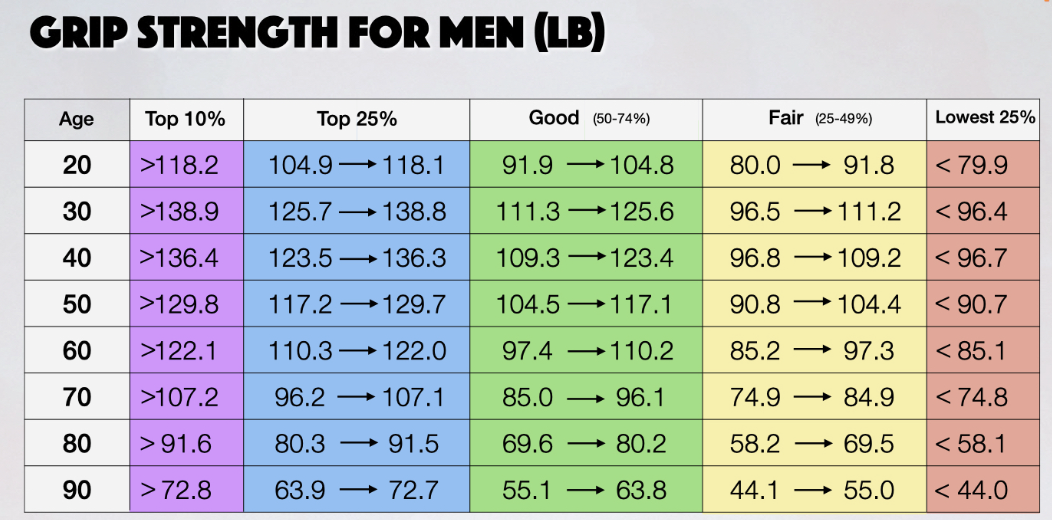
10. Grip strength
Grip strength is one of the top two indicators of how long you will live. You should work consciously on a forearm building program and develop grip in all your workouts. Use a dynamometer and adjust for your sex and age …
11. Cardio
10 = competitive endurance athlete, resting pulse under 45 (this is your life)
8 = 10 hours a week hard cardio with intervals and endurance events on weekends
6 = 4 hours a week in zone 2, 1 hour zone 3
4 = 4 hours a week in zone 2
2 = I’m a walker, I love walking
0 = I walk to the kitchen
Read Peter Attia’s book Outlive. He talks about the value of zone-2 exercise. Zone 2 is a pace that is hard but sustainable for at least a few hours. It’s like very fast walking at about 3 miles an hour. You should do that or its equivalent once or twice a week. But I prefer Rhonda Patrick’s advice to work harder, more intensely, and get more benefit.
I can't emphasize the value of zone-3 and zone-4 exercise enough, even if you're in your 80s. This means going as hard as you can for 2-4 minutes in the pool, on the track, rowing machine, or even jumping up and down in your living room (YouTube videos are great for this). Hard. Like you can't do any more, and the last 30 seconds are very very challenging, you’re out of breath, and it takes several minutes to recover.
No need to use a stopwatch. If you ride a bike, go for as many hills as you can, and always do your best on any hill you climb. You don’t need to compare your time with anyone, just hammer up the hill and be exhausted at the top. In the pool or on a machine, it's the same thing — be completely spent by the end.
In my view, the 400m sprint is the gold standard. A 400m sprint should take you anywhere between 100 and 150 seconds, but the time doesn’t matter. Just get out there and work hard so you cross the line totally spent. Then recover for 5-10 minutes and do it again. What matters is doing it. What doesn’t matter is whether you shaved 2 seconds off your time from last week. I’d rather see you sprint twice a week informally than go to the track and time yourself once a week. There is NO need for any tracking apps. Forget the tracking and just do it.
My ideal range for sprinting is to mix it up from 200 to 800 meters. While I consider 400m the gold standard and do that more than anything, a hard 200m is a great way to stress your heart and tell it to get into shape, and the 800-meter killer distance is going to make you stronger if you survive it. I’m not talking about jogging here. I’m talking about hammering home the last 100 meters and not being able to breathe for two minutes after you cross the line.
I don’t recommend sprinting under 200 meters. This is fast-twitch territory. It’s great for your legs, hard on your joints, does nothing for your heart, and you can tear a hamstring, which is no fun. Do other fast-twitch activities: play ultimate frisbee, tag football, tennis, basketball, other cutting sports. Do plyometrics (yay, I love plyometrics). When people tell me they are running 60m sprints I ask them to switch to 400. They say “But that’s really hard!” I say that’s exactly what’s best for your heart.
Zone 1 is walking. Zone 2 is walking very fast, just so you can keep talking, but barely. Zone 3 is hard effort, usually for 2-5 minutes. Zone three for 2-4 minutes is where the real action is for your heart. Zone 4 is the 100-meter dash, and it’s not particularly beneficial for anything. Do less zone-2, no zone-4, and as much zone-3 as you can fit into your schedule.
I have a 4-mile run with about 7 hills. I hammer up the hills until I’m dead at the top, walk down while recovering, and then jog to the bottom of the next hill. This gives me 7 serious zone-4 sessions in one hour. Sprinting uphill for 1-3 minutes is probably the #1 best thing you can do for your cardiovascular system.
Try ten flights of stairs (17 steps per flight is normal in a modern building) in under 90 seconds — without touching the handrails at all. Never touch handrails when doing stairs. Stairs are great, because you know exactly how far you're going, you can do them in any weather, all you need is a building with 10 floors. I'm 66 years old. My record for ten flights is 67 seconds, but that's because I carry 50 pounds on my back up 13 flights three times a week.
I also run up 4 flights of stairs (68 steps) without touching the handrails in under 20 seconds — barely under. I’m giving times here just so you can compare yourself against me for inspiration, but if you are working at the top of your ability, that’s all that matters.
Whatever activity you do, forget timing and just go as hard as you can. A breath trainer will help.
Don’t forget rucking. If you’re not rucking, you should consider adding it to your routine. People who do a lot of walking, Pilates, and yoga don’t live longer than the rest of us. It’s the weightlifters and serious pushers who outlast everyone else. The average 70-year-old farmer will probably outlive the average 70-year-old citydweller by ten years or so.
Don’t get injured
It’s very important not to get hurt, and that’s why you want a longevity coach, not a gym trainer. The older we get, the longer it takes to recover. It’s much better to avoid injury in the first place. A few of us know how to do this — to keep you under your injury threshold yet still performing at the highest capacity that your system will allow. It starts gently but progresses, because stressing your bones, muscles, and heart will let you do more and more aggressive and agile movements over time, and that is the best way to stay strong and healthy as you age.
What? You have pre-existing conditions? We all have pre-existing conditions. We work with what we have, we strengthen what we can, we try not to get hurt, and we find ways to move forward. The alternative — doing nothing — is more dangerous. I don’t want to make you into a prize fighter. I want to make you leaner, stronger, and more resilient than you are today. The only person you’re up against is yourself.
12. Bone
10 = daily bone-building exercises plus 7 hour of weighted vest or rucking weekly
8 = bone building 3x per week and 5 hours of weighted vest or rucking
5 = 5 hours of weighted-vest exercise per week
3 = 3 hours per week
0 = what’s a weighted vest?
Build bone
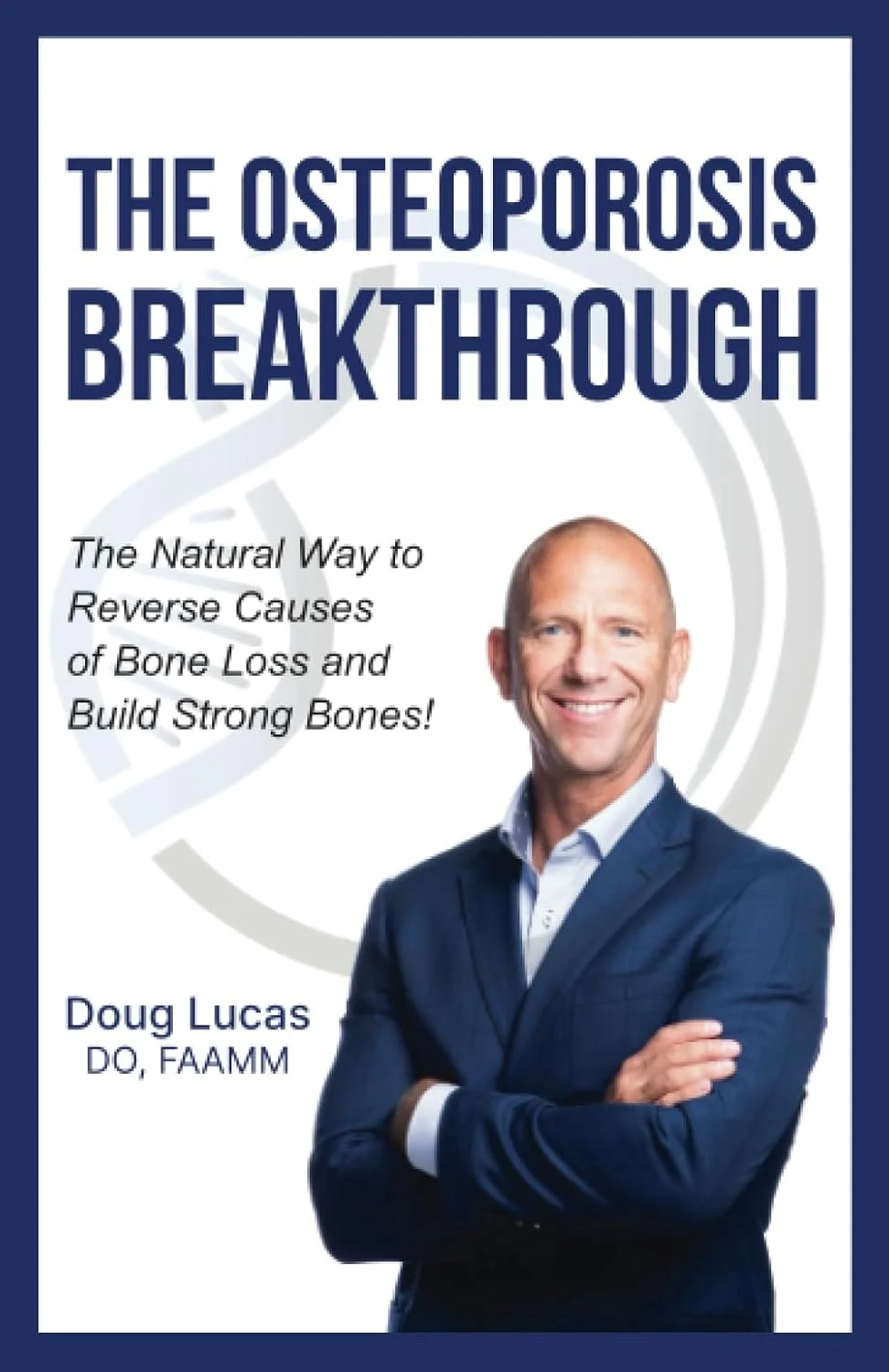
If you're not building bone, you're losing it. You can't build bone by walking and doing yoga. Runners and cyclists, even mountain bikers, don't have strong hips and spines. Everyone over 70 has a 25% risk of a fall every single year, and 50 percent of falls result in a permanent reduction in the quality of life, leading to death. Do you really think you can get through ten years with a 12 percent chance of catastrophe each year? You don’t build bone with prunes, DEXA scans, and pills. You build bone through resistance and impact training. A few people have an advanced bone-building program, and I’m one of them. Learn more from my guide to reversing osteoporosis.

13. Supplements
5 = daily magnesium, fish oil, multivitamin, calcium, creatine, whey protein
4 = daily magnesium, fish oil, multivitamin, calcium
3 = two of the above
2 = one of the above
1 = daily multivitamin
Creatine
Creatine is a compound made from three amino acids that people think of as a bodybuilder supplement, but more and more research shows that creative a) is very safe, and b) has many other benefits, including brain health and even MS. It helps improve recovery time after exercise. The new recommended dose is ten grams per day. This video is a good overview, and the brand I recommend is on the stack page.
Calcium
Calcium is a critical mineral for bone building. The brand I like is called AlgaeCal Plus. It's similar to getting your calcium from food. It includes magnesium, vitamin D and vitamin K. I think everyone over 40 should be taking it. Possibly everyone under 40 as well. And no, taking calcium has nothing to do with calcium build-up in your arteries, it is not bad for your cardiovascular system, so start taking AlgaeCal Plus today (I’m not affiliated with the company).
Magnesium
There are eight kinds of magnesium. Optimal to support muscle growth are magnesium citrate and glycenate or bisglycenate. General RDA is 310–420 mg/day (men) and 310–360 mg/day (women), but athletes may need 400–600 mg. Avoid exceeding 350 mg supplemental magnesium to prevent diarrhea. Split doses (e.g., morning and evening) to improve absorption. You could take a citrate in the morning and then a glycinate at night, which aids sleep, enhancing recovery.
Note: if you’re taking Algaecal Plus, it has magnesium oxide, not glycenate. I have no idea why. If you’re taking AglaeCal Plus, it probably makes sense to also take around 300 mg/day of magnesium glycenate.
Vitamin D
Recommendations for vitamin D range from 800 to 40,000 IU! It’s not how many units you take, it’s how much vitamin D is in your blood. So you need to test and adjust, and it’s probably different in summer vs winter. Peter Attia recommends 60-80 ng/mL. The amount you need to take to achieve this depends very much on you and your lifestyle. On the other hand, Dr Brad Stanfield says we should be careful and that most recent studies show that there are dangers to getting too much vitamin D (but it takes years to do the damage, so don’t worry).
The Endocrine Society recently lowered their recommendations to 600 IU daily for people 50-70 and 800 IU daily for those over 70. Clearly, we need more and better research.
The way I think of it now is that it makes sense to get the basic 800 IU that comes with AlgaeCal Plus and then supplement to hit a blood-level target. If you’re outside all summer, you may want a supplement during winter, or you may have enough from the 800 IU in AlgaeCal Plus. To do it right, you need a blood test in about January. Generally, if you’re not deficient in vitamin D, you probably don’t need to supplement very much.
See my update on calcium/magnesium and my new stack page.
Collagen
If you have any joint pain at all, you should be taking collagen daily. Even if you don’t notice any difference, it’s probably helpful for building bone. I swear by it. If you’re taking collagen for hair and nails, it’s less helpful. If you’re taking it for muscle building, stop (no leucine). I recommend just getting enough protein and forget the collagen.
14. Sleep
5 = 8-9 hours quality sleep
4 = 7 hours good sleep
3 = 8-9 hours including 1-2 naps
2 = 7 hours including 1-2 naps
1 = 6-7 hours per night
Sleep is critical for consolidating your exercise gains, preserving mental sharpness, and generally living longer. No, you almost certainly are not the person who “gets by on 6 hours a night.” That will probably shorten your life by more than the sleep you need to overcome the deficit. One suggestion: make your room as cold as possible like you're winter camping. When you're cold, you snuggle in and don't move around. When it's hot, you move and wake up more often. There are now AI-based temperature-adjusted mattresses. Drugs as a last resort, but you could look into patches.
What’s your score?
Add up all your points. The total possible is 125. Keep in mind that people who compete in track and field in their 80s have fantastic cardiovascular systems but are lacking important muscle, bone, and possibly other factors. You want to be as high in each of these areas as you can. If you have …
110 points: congratulations, you are likely to live to see your 100th birthday, possibly in excellent condition.
100 points: congratulations, you are likely to live to see your 90th birthday and very possibly your 100th.
90 points: congratulations, you are likely to live to see your 80th birthday in decent shape.
80 points: You are likely to lose a lot of range after age 70 lose most of your quality of life after 75, survive into your low-mid 80s.
70 points: You are very likely to be the victim of a fall, stroke, heart attack, or cancer. Your chances of neurodegeneration are high.
60 points or below don’t contact me and ask me to help you. You’ve been passing up healthy choices all your life, you’re not going to start now.
Bonus section
Here are several other interesting options and factors …
Fasting
Fasting is great. I’m a huge believer in fasting. I’m fasting about once every 6 months now. But you MUST watch this video to learn, because people don’t understand fasting:
Here are the results of my last fast, April 2026:
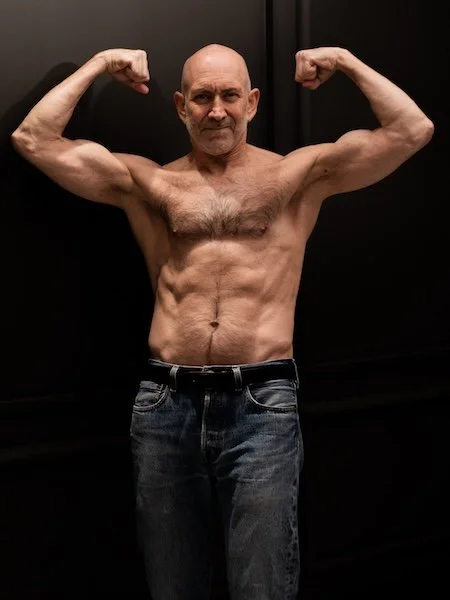
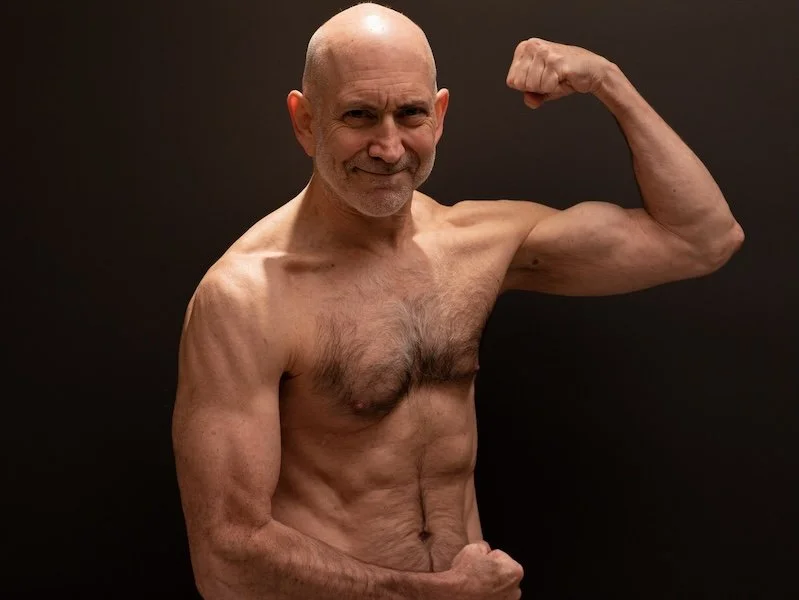
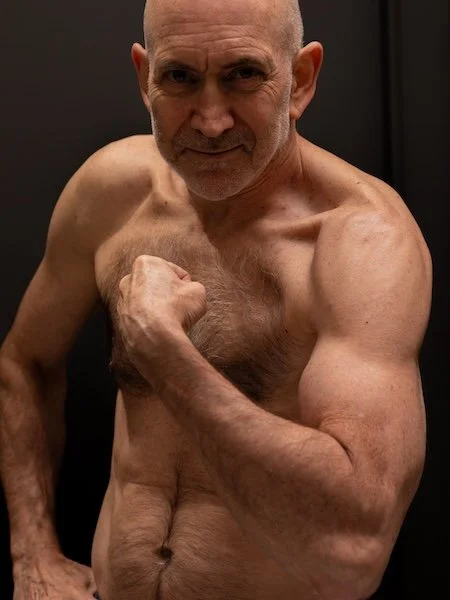
Like everyone else, a week after I took these photos I had already gained a pound or two of fat. Fasting is not a weight-loss strategy! I’m 66 years old, and I’m in the gym one hour every single day. You feel great and look great after a fast, and you should consider adding fasting to your life 2-4 times a year. If you want to be added to my fasting email list to participate in the next one, get in touch using the form at the bottom of this page and tell me you want to be in the next fast.
Fructose
Fructose separated from fruit is bad for humans. It goes straight to your liver and activates an insulin response. The only time you should get fructose is in whole fruit. A small amount of juice is okay, and realize most juice these days has sucrose (table sugar) added, which is only half fructose. I drink lemonade watered down 2:1, but I would not drink an entire glass of fresh apple, grape, or orange juice, because it has too much fructose. A glass of grapefruit juice a day is generally fine. No fruit smoothies. Anything with high-fructose corn syrup is out.
Processed foods
Processed foods like baked goods, frozen meals, fast food, processed meats, and food made in a factory often have ingredients that will make you more insulin resistant. But it’s not as clear-cut as many people make it. Flour, for example, is very much the same in the US whether you buy it in the grocery store and make your own pizza, or it comes as a frozen pizza in a box. In Europe, some flours are different, but in general, we’re just starting to understand what’s healthy and unhealthy about packaged food, and much of the research is very poor. A few guidelines:
No squishy bread or bakery products. Whole grains really are better for you.
Fresh fruit is far better than anything with fruit as an ingredient. Don’t blend fresh fruit into a smoothie, you’ll get too much fructose in one drink that way.
Deep-fried foods you get at a restaurant, food truck, fast-food place, etc. really are bad for you. That’s because they use seed oils at high heat and re-use the oils over and over. The french fries and fried chicken you make at home, using canola or safflower oil and low heat, are far better for you than what you’d get at McDonald’s.
What about GLP-1 agonists?
Everyone is getting injections, and many doctors are now on Ozempic/Wegovy to lose weight and keep it off. Yet 70 percent are off the drugs within two years, and most of them are worse off. This is not going to turn out well. GLP-1 agonists force starvation. They have many other “benefits,” but the costs to your metabolic system are too high. They probably are a net-benefit to a small percentage of people who can afford to stay on them. Forget fads and medicines. Eat appropriately and exercise harder. If this guy can do it, you can do it.
Sunlight
Sunlight is amazingly beneficial — as long as you aren’t getting skin cancer. Morning light, as much time as you can spend outdoors, light from windows — all are great. The worse you feel, the more you should try to get direct sunlight.
Kidney stones
If you've ever seen a scanning electron microphotograph of a kidney stone, you understand why you don't want one. First, drink plenty of water. Second, know your foods that have oxalic acid (spinach, almonds, almond milk, beets, beet greens, rhubarb, Swiss chard, sweet potatoes, chocolate, cocoa powder, black tea, navy beans, soybeans, raspberries) and eat them WITH calcium, so the calcium binds to the oxalate in the gut and gets taken out that way. What causes stones is when oxalates go to your kidneys and then bind with calcium there.
Track a few numbers
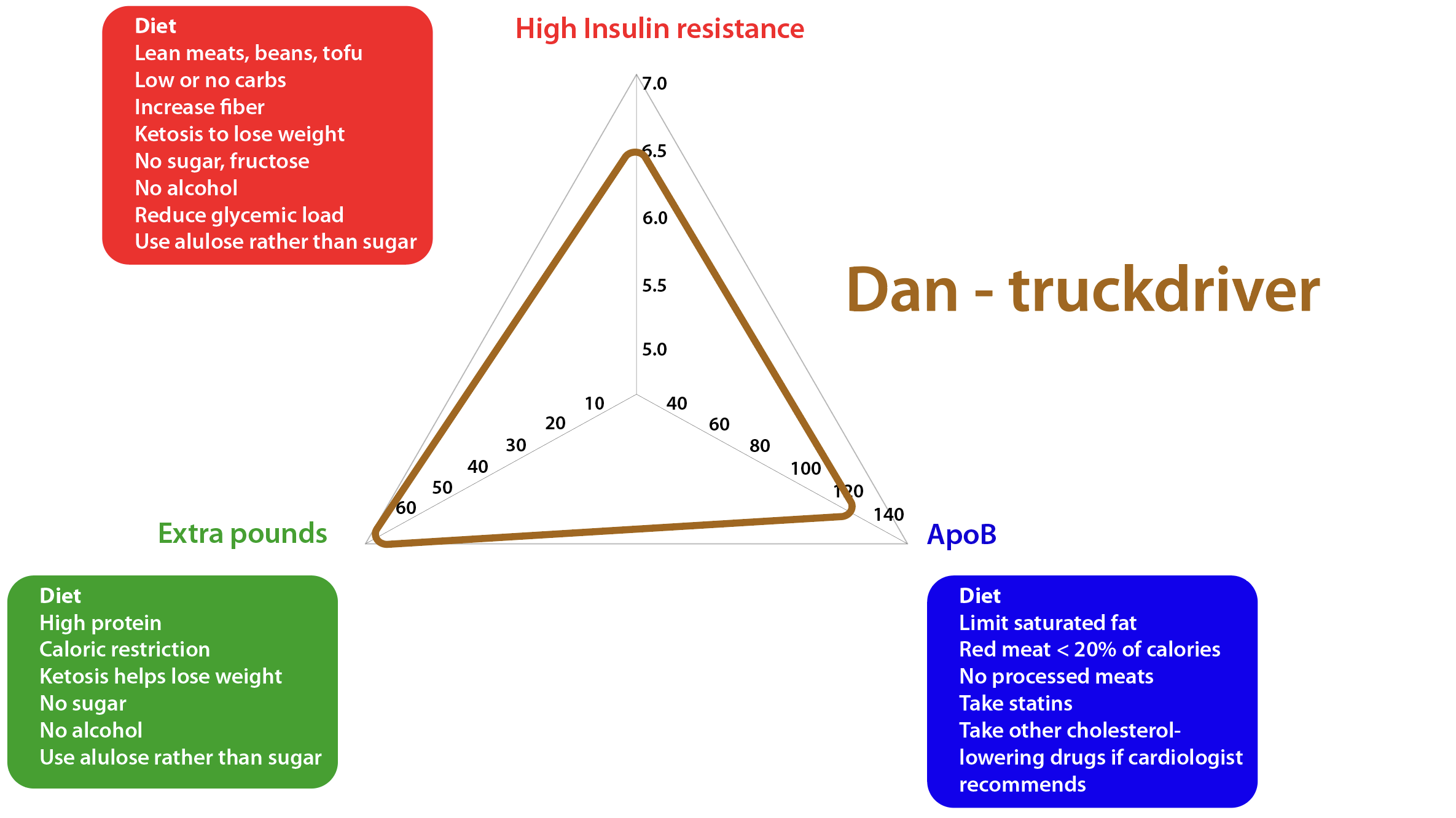
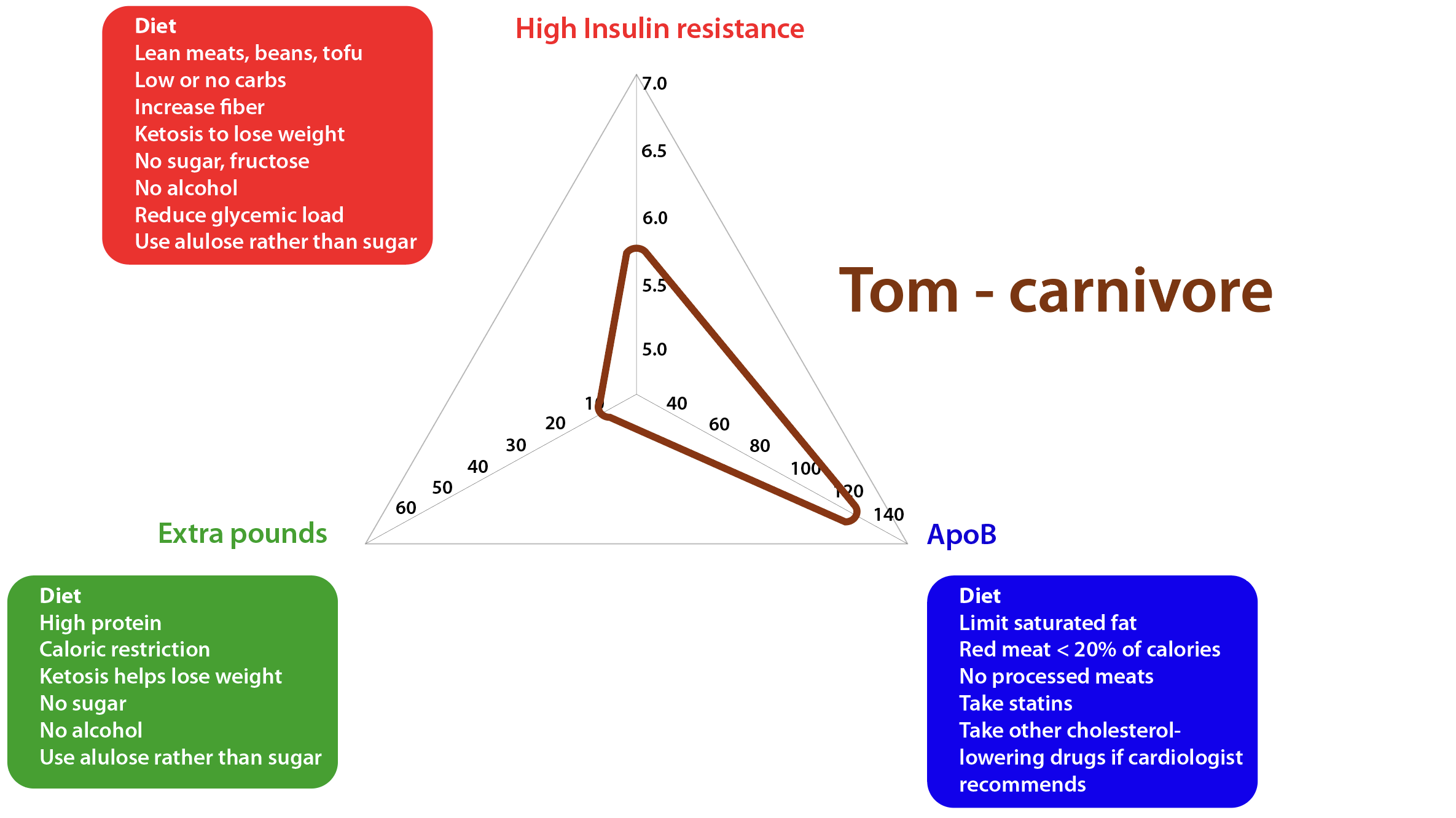
You don’t need many numbers. Everything else you just keep working on and forget the numbers. If you have symptoms of something, you need to investigate, and that will involve tests. But in the absence of symptoms, these are the numbers I want to get from my clients:
Number of pounds overweight
ApoB
A1c
OGTT
That’s really it. Assuming you want to get to a fit condition and not stay overweight, we use those numbers to come up with your appropriate diet and exercise regime. For example, if you are a carnivore and your ApoB is low, you can stay with your diet, but if your ApoB is elevated, we’ll cut down on red meat. If you’re insulin sensitive and an active athlete, you can have a reasonable mix of carbs, but if you’re insulin resistant we’ll talk about a keto diet.
Don’t sweat the small stuff
Blue light. Red light. Cold plunge. Prunes. Tea tree oil. Homeopathy. Chiropractic. Home remedies. Excess vitamins. Almost anything Andrew Huberman suggests. Anything Bryan Johnson suggests. These things are either wrong and have zero benefit or are in the noise, below the top ten. Anything David Sinclair recommends you should stay away from.
Think of it this way: If you score yourself from 0 to 10 on the top-ten priorities, you want to be as close to 100 as possible before you try anything else. If your score is 80, don’t chase after some miracle cure, just try to get that score over 90. If you’re over 90, it doesn’t matter what else you do, you’re doing everything right and you should get excellent results.
Have I left anything out?
Yes, I've left a lot out. I could write much more about getting the big stuff right and forgetting about all the current supplements, vitamins, drips, green powders, treatments, fake experts, and YouTube influencers. I work with clients around the world to lose fat, build bone and muscle, and add 10-20 years to their lives. Every one of my clients has pre-existing conditions. I always design a custom protocol for each person. This is just an overview.
Summary
Do all these things. It’s a lot, I know. If you can do it all on your own, use the resources on this site and do it yourself. But all the pros have coaches for a reason — investing in a coach pays off 100 to 1.
Get your supplements. See my store. Learn about my programs and get on my calendar to discuss your situation. Or just visit the home page.
Carry all your groceries home on your back

Andy in 2006
You can do this!

Andy Katchmar, age 79
I began my journey at the age of 64. At that time I weighed around 205. I had several health issues at the beginning, but I persevered and worked towards gaining my health back . The first months were for losing weight mainly. Once I achieved 175, I was better able to handle machines and weights. My weight was a concern since I am only 5’ 5” tall. With the guidance of a personal trainer, I made steady advances. After a year, I was in good shape. I have continued on my own for 15 years now. I am still improving as I age.
Andy today, age 79

Althea Boulware, age 57
When I was 46, I started perimenopause and it seemed like no matter what I did, working out 7 days a week and having a pretty good nutrition regimen, my body had a mind of its own. It was not until I started a structured workout regimen, incorporating drop sets, progression sets, tempo training, time based workouts and just sitting in my discomfort, is when my body started to change. I also researched nutrition and what foods were beneficial for me and which foods I should be wary of. My body started to respond. At 57 I've never felt better.
Geoff Keller, 74
I used to be the king of junk food. I never saw the inside of a gym until age 50. Now my workout program consists of a single, two-hour, no-nonsense resistance training session every four days, as well as three, 40 to 60-minute cardio workouts on a stationary bike weekly. I am in my seventh year of being a whole-foods, plant-based vegan.


Kathleen Donovan, age 60
Fitness has always been a huge part of my life. I’ve always been active, participating in sports in elementary through high school. Continued exercising in college and began weight training. Really got into more heavy weight training over the past 15 years. Love the mental and physical aspects. Truly has been my fountain of youth!
The prize
Testimonials
David came along at the right time, offering the right kind of advice. He gave me the incentive to get active again and work back into the shape I was in 20 years ago. He’s making sure I don’t get injured, but he's also making sure I keep making progress. I should have started sooner, but I’m catching up now.
–Mike in the UK
I truly believe that starting off on the right foot—doing things correctly from the beginning—sets the stage for strong and lasting success. I’d love to help David spread the word about his coaching skills and support his journey to inspire more people.
–Lisa in Florida
David is very knowledgeable and offers great advice for men and women to help with nutrition, exercise, and supplementation. He knows all about hormone replacement therapy, which most women start too late. He encourages you to build muscle safely. David is a great resource!
–Kathleen in Arizona
David is the real deal. We've been working together for six weeks, he has changed my mindset and motivation. I’m getting stronger with less weight. With his program, you start to see results immediately.
–Steve in Virginia
Frequently asked questions
What happens during the onboarding session?
You tell me about your health and history. I fill out a form to help you track your progress. Together, we come up with a plan to get started, which will involve some weight training, some cardio exercise, some supplements, and possibly changes to your diet and daily routines. We’ll be working on this for the next eight weeks. By the time the eight weeks are over, you should have a solid foundation for building your future self. Be sure to bring any health records you have to this meeting.
I want to ask a question before I buy
Schedule your discovery call right now!
Will you work with me if I’m seriously overweight?
Possibly. My approach is to work on losing the weight first, which means getting very serious about long-term weight loss. I encourage obese people to look into getting some kind of surgery to get started. Surgery has been shown to be highly effective.
I’ve tried to quit smoking many times and haven’t been able to. Can you help me?
I’m afraid I can’t. You’ll have to find someone else to help you do that. It’s the most important thing you can do. In fact, if you find an amazing program, let me know so I can tell others.
I have pre-existing conditions. I’m afraid I might not be able to commit.
We all have pre-existing conditions! Even more reason to get seriously strong and stay ahead of your doctors for the years ahead.
Do you subscribe to everything Attia recommends?
Mostly, but that’s because he’s skeptical of all the magic molecules everyone is touting these days. He’s very open minded. He’s willing to look at new evidence and change his opinion. I’m coming around to his protein recommendations (you need more protein as you age). I think he’s right about alcohol (zero is best), and I think he’s right about diet. I like that he changed his mind about caloric restriction. I like that he thinks we’re still mostly guessing and have a lot more to learn. He knows humans aren’t mice. I think he makes the best educated guesses.
Are there experts you don’t like?
Yes. I think David Sinclair lives in a world of mouse and worm studies and fake metrics. Whatever he says extends life I would generally stay away from. Peter Diamandis is usually wrong. Most “functional medicine” claims are nonsense. Walter Willett (Harvard) and the “Mediterranean diet” is mostly a collection of weak evidence for various different products, mostly promoted by companies for profit. How much do we really know about diet? Not much. Don’t read a book like “The China Study” and think you’ve just learned anything about diet.
Are there other experts you like?
I’m a big fan of Gary Taubes, which is how I heard about Peter back in about 2012 or so. His books have been very influential on me. He showed that calories-in/calories-out (the metabolic model) is not a helpful framework for people trying to lose weight. He also showed that saturated fat is not bad and doesn’t cause heart disease. He showed that dietary cholesterol has nothing to do with serum cholesterol. I like Aubrey de Grey as a researcher. I like Daniel Lieberman, he says reasonable things in general. For osteoporosis, I like Dr Doug Lucas. See the books page for more.
Are there other experts you stay away from?
Not that these people are wrong, I simply think they are off in the noise: Andrew Huberman, Bryan Johnson, Valter Longo, and anyone who touts the latest and greatest molecule, probiotic, anti-aging pill, or diet. A few of Huberman’s podcasts are worthwhile, but most are skippable. Anyone who recommends more heavy exercise over worrying about diet is on the right track.
Why don’t you talk about many things Attia writes about?
He talks about a lot of very esoteric research. It’s confusing to most people. I think we can choose about 20 percent of his recommendations and get 80 percent of his results — and he says that himself. If a client has those 20 percent really working, we can start looking at the second-order options. For example, I don’t think anti-oxidants are meaningful for human health. They might be, but they are not a front-line approach to longevity, and most other prescription drugs aren’t, either.
What’s your view on osteoporosis?
I broke the head of my left femur at age 51 (ice skating) and my right femur at age 53 (running). That’s a diagnosis of osteoporosis. I’m very skeptical of osteoporosis drugs — I think the cure is worse than the disease, especially if you take bone-building seriously. There are many interesting drugs in development, I try to keep up with the research. Read my big blog post on osteoporosis.
Which supplements do you recommend?
See my stack page.
What about rapamycin?
Not a first-order modality. Not second-order either. Humans are running a worldwide ad-hoc experiment to see if rapamycin extends life. I’m in the control group.
What about cold plunges, red light, early light, saunas, chiropractors, metformin, rapamycin, resveratrol, MNM, Klotho, and all the other things various doctors recommend now?
Noise. For some of these, that may change. For now, build bones and muscle in the gym.
What are your dietary guidelines?
See this page.
Do you want your clients to become vegan?
Absolutely not. I don’t pay much attention to diet.